
full length vanity mirror with lights
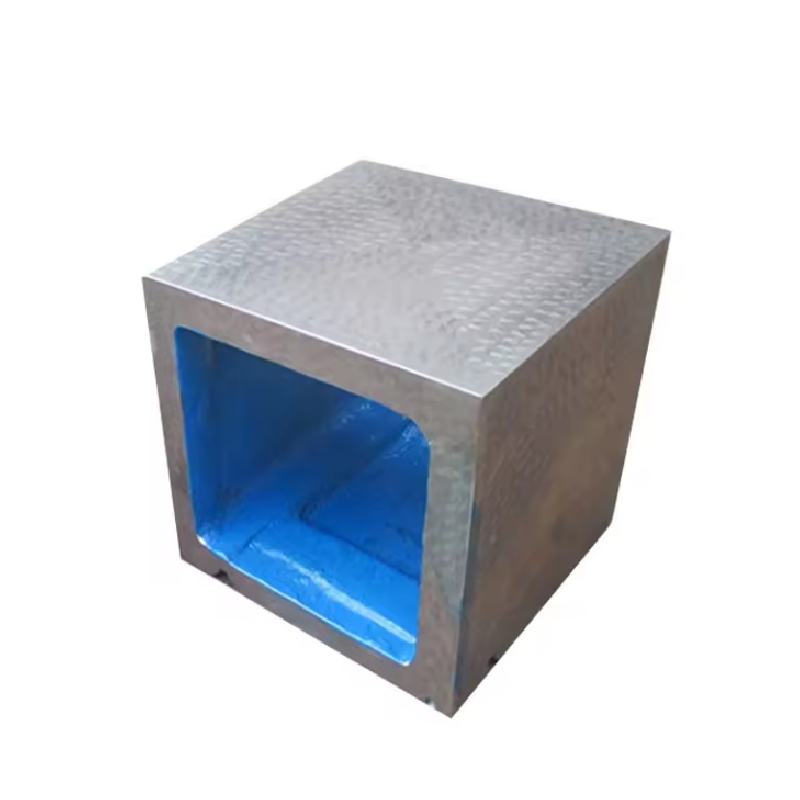
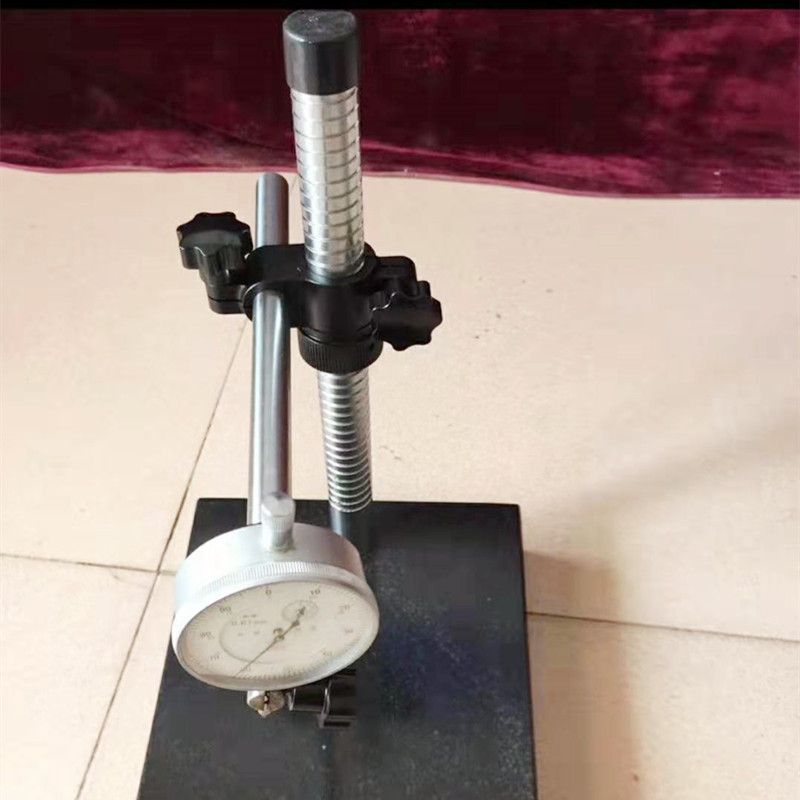
Understanding Granite Reference Plates A Foundation for Precision Granite reference plates, also known as granite surface plates, are fundamental tools in the realm of precision engineering and metrology. These plates serve as a stable, flat surface against which various measurements and machining processes can be conducted. Their significance can be attributed to the balance of stability, durability, and resistance to wear. In this article, we will explore the characteristics, applications, and advantages of granite reference plates. Characteristics of Granite Reference Plates Granite is preferred for reference plates for several reasons. Firstly, granite is an incredibly hard material, which makes it resistant to scratches and wear over time. This hardness ensures that the surface of the plate remains flat and retains its calibration. A flat surface is critical for accuracy in measurement, as even minor deviations can lead to significant errors in engineering applications. Moreover, granite has excellent dimensional stability. It is less susceptible to environmental changes, such as humidity and temperature fluctuations, compared to other materials. This stability is crucial in precision work where even slight warping can affect the results. Granite reference plates are often available in various grades, which indicate their flatness tolerance and overall quality. These are typically categorized into Grade AA, A, and B, with Grade AA being the most precise. The choice of grade depends on the specific application and required accuracy. Applications of Granite Reference Plates Granite reference plates find extensive use in various industries, primarily in quality control and inspection processes. Manufacturing sectors, such as automotive and aerospace, rely on precise measurements for components to ensure safety and performance standards are met. These plates are used with various measuring instruments, such as height gauges, dial indicators, and coordinate measuring machines (CMM). granite reference plate In addition to measurement, granite reference plates are also used as assembly platforms during the machining processes. Their flatness provides a reliable surface for assembling parts, ensuring that components fit together as intended, thus enhancing the overall quality of the finished product. Furthermore, granite plates are invaluable in the optical industry . They are commonly used as reference surfaces for aligning optical components in devices such as lasers and microscopes, where precision is essential for functionality. Advantages of Granite Reference Plates One of the primary advantages of using granite reference plates is their longevity. With proper care, these plates can last a lifetime, making them a worthy investment for businesses that prioritize quality and precision. Their durability reduces the need for frequent replacements, contributing to lower operational costs in the long run. Another advantage is their ease of maintenance. Unlike metal surfaces, granite does not rust, and cleaning it is a straightforward process that typically involves routine dusting and occasional polishing. This ease of cleaning helps to maintain the plate's flatness and ensures consistent measurement accuracy. Moreover, the non-porous nature of granite means that it does not absorb liquids, which prevents contamination and damage often associated with spills from oils or coolants used in machining processes. Conclusion In conclusion, granite reference plates are an essential component in the field of precision engineering. Their unique properties—hardness, dimensional stability, and resistance to wear—make them ideal for applications that demand meticulous accuracy. As industries continue to pursue higher standards of quality, the role of granite reference plates becomes even more significant. Investing in such tools not only safeguards the integrity of measurements but also enhances the overall manufacturing process, proving that precision truly begins with a solid foundation.
about
full length vanity mirror with lights
Replacing a Water Valve A Step-by-Step Guide Replacing a water valve might seem like a daunting task for the average homeowner, but with the right tools and instructions, it can be a manageable DIY project. Understanding the importance of water valves in your plumbing system is essential, as they control the flow of water to various parts of your home. Whether you are dealing with a leaking valve or simply want to upgrade it, this guide will help you through the process. Before starting, ensure you have all the necessary tools. You’ll need an adjustable wrench, a pipe cutter, Teflon tape, and a bucket to catch any residual water. Always prioritize safety—wear gloves and safety goggles to protect yourself from any debris or water spills. Replacing a Water Valve A Step-by-Step Guide Next, identify the valve that needs replacing. If it’s a cut-off valve under a sink, it’s typically connected directly to the water supply line. Use the adjustable wrench to loosen the nuts connecting the valve to the pipe. Be cautious as you may encounter some water spillage, so keep your bucket handy. replace a water valve Once you have disconnected the old valve, inspect the existing pipes for any damage or wear. If the pipe's threads are damaged, you may need to consider replacing that section of the pipe as well. Assuming everything looks good, you can proceed with installing the new valve. Apply Teflon tape to the threads of the pipe to prevent any leaks, and then attach the new valve by tightening the nuts with your wrench. After securing the new valve, turn the main water supply back on gradually. Check for leaks around the newly installed valve. If you see any water seeping out, tighten the connections slightly until the leaks stop. Finally, test the functionality of the valve by turning it on and off. Ensure that it operates smoothly without any hissing or leaks. If everything is tight and functioning correctly, you have successfully replaced a water valve! In conclusion, replacing a water valve is a straightforward process that can save you money on plumbing bills. With basic tools and a bit of patience, you'll have your plumbing system running smoothly in no time. Always remember, if you’re ever unsure about the process, don’t hesitate to consult with a professional plumber.
-

High quality industrial productsagement

High quality industrial products
View Details -

Meet the diverse needs of customers

Meet the diverse needs of customers
View Details -

Strict quality control

Strict quality control
View Details -

Top raw materials

Top raw materials
View Details -

Trusted supplier

Trusted supplier
View Details
Our application

news and information

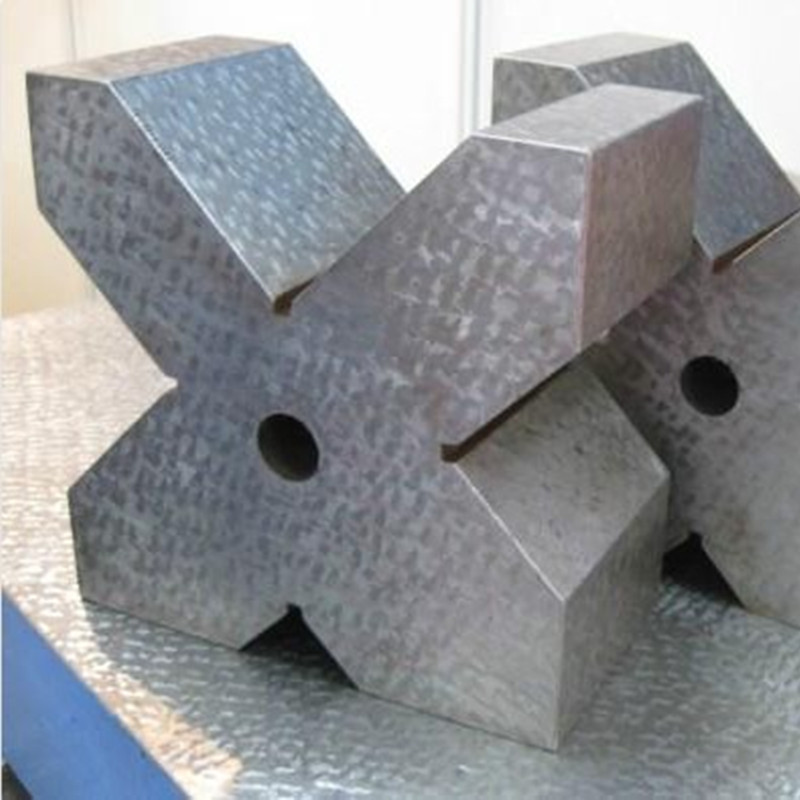
using v blocks
Utilizing V Blocks A Comprehensive Guide V blocks are essential fixtures in machining and manufactur

Wooden frame construction with truss plates and nails for added structural support.
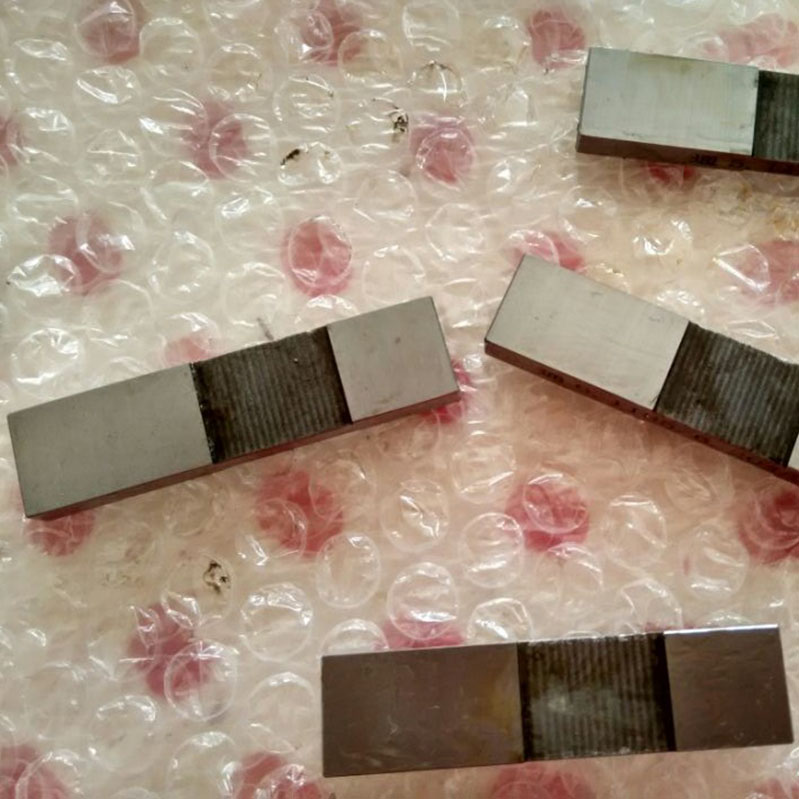
Wood frame construction has been a popular building method for centuries, providing a versatile and
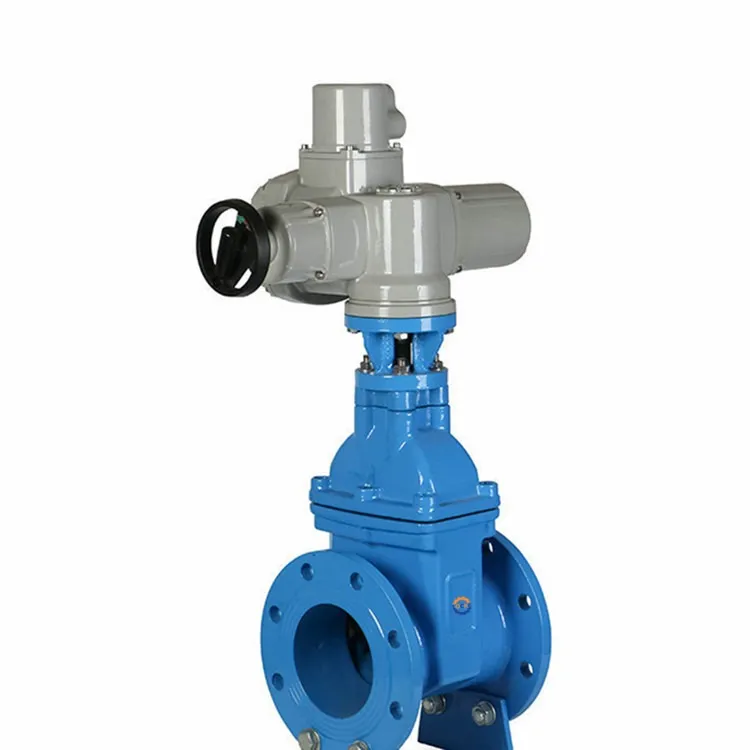
water main valve
Understanding the intricacies of water main valves is essential for both homeowners and professional
 English